The Geography of Ransom: How Kidnapping Became Nigeria's Defining Crime
Kidnapping is now the single most common security incident OpenWatch records in Nigeria, ahead of terrorism and communal violence. It has grown from a Niger Delta tactic into a national industry with its own economics, supply chains and geography. Here is what the data shows about where it happens, who it targets, and why it keeps spreading.
Of every security incident OpenWatch has recorded in Nigeria, kidnapping is now the most common single category. The archive holds more than 6,700 recorded kidnapping incidents, ahead of terrorism and ahead of communal violence. A crime that two decades ago was a regional tactic has become the defining security problem of the country, and it has done so by behaving less like random violence and more like an industry.
Understanding that industry, where it operates, what it charges, and who it preys on, is the difference between treating kidnapping as a run of bad luck and treating it as the structured, predictable business it has become.
A Crime That Outgrew Its Origins
Mass kidnapping in Nigeria began in the Niger Delta in the 2000s, when militants seized oil workers to pressure companies and the state. It was political theatre with a price tag. What spread north and west over the following years stripped away the politics and kept the price tag.
Today the centre of gravity is the North West and North Central. But the data shows the crime is no longer contained there, and that is the most important thing about it.
The Economics Are the Point
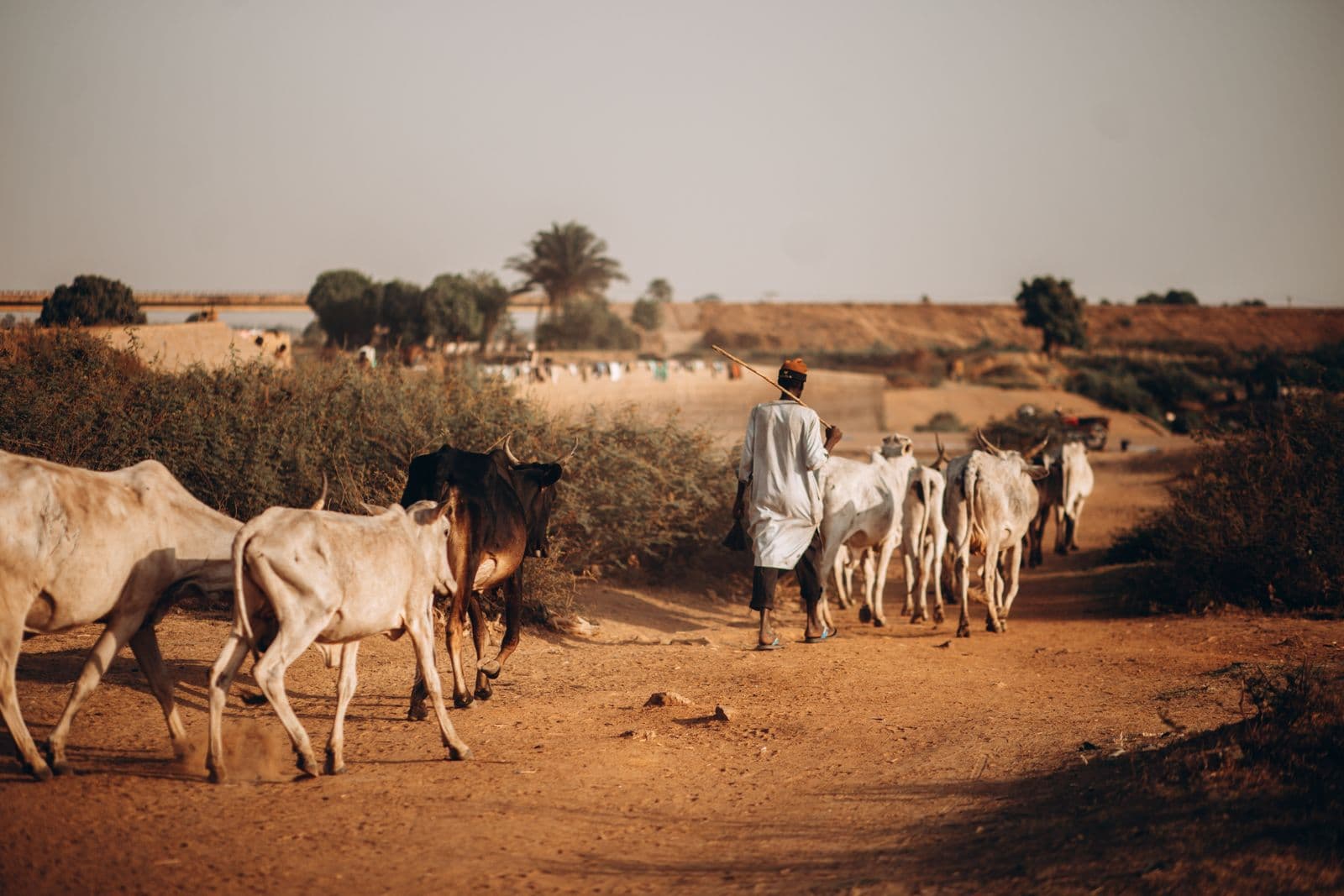
Kidnapping persists because it pays, reliably, and the groups that run it now price it like any other service. In Katsina, bandits in Kankia issued residents a six-day ultimatum demanding 700 cattle and 1,000 sheep. In Zamfara, armed groups imposed a curfew on the town of Bilbis and demanded a levy of 30 million naira from residents, enforcing it with a forced lockdown. Across rural Zamfara, farmers now pay protection fees simply to access their own land, and many have abandoned it entirely.
This is not opportunistic crime. It is taxation by force. Once an armed group can set a price for a life, a herd or a harvest, kidnapping becomes a renewable revenue stream rather than a one-off raid, and that is exactly what the incident record shows.
The Roads Carry the Risk
The single most exposed place in Nigeria is the inter-state highway. Roads concentrate exactly what kidnappers want: strangers, in vehicles, on predictable routes, reachable by phone. The pattern repeats across the archive. Six church worshippers were abducted along the Uso to Owo Expressway in Ondo. Five travellers were taken near Ogbere on the Ijebu Ode to Benin Expressway in Ogun, with the gang demanding 70 million naira. Passengers have been seized on the Benin Expressway in Edo and on the Jos to Zaria road in Plateau.
For an ordinary traveller, the road is not the way to the danger. It often is the danger.
The Schools Became Targets
The most chilling evolution is the targeting of children. Schools offer something no roadblock can: dozens or hundreds of hostages in one place, and a national audience guaranteed. The archive records the abduction of 230 schoolchildren from St. Mary's Boarding School in Niger, an event so large the Federal Government was forced to publicly deny paying ransom for their release. In Gombe, the governor declared that 48 children had gone missing in a wave of child-stealing. In Oyo, pupils and teachers were abducted from a school in Oriire.
Each of these is a deliberate choice to convert the most protected members of a community into the most valuable hostages.
It Is Moving South
For years the safe assumption was that kidnapping was a northern problem. The data has retired that assumption. The Oriire abduction in Oyo, the Owo and Akure incidents in Ondo, the highway seizures in Ogun and Edo, all sit in the South West and South. In Lagos and Ogun, a joint security operation named Kósàyè dismantled forest kidnap camps operating inside the South West itself.
The forests that ring southern cities are no longer just farmland. Some of them now host the same camp-and-ransom model that hollowed out the North West, and the spread is the trend the numbers most clearly support.
Reading the Risk
Kidnapping is the rare security threat where individual behaviour genuinely changes the odds. The road is the highest-risk phase, so it deserves the most caution: travel by day, on the busiest routes, and avoid notorious forest stretches at dawn and dusk. Movements that are advertised, on social media or to strangers, are movements that can be planned against. And the single most useful habit is knowing the actual risk profile of where you are going before you go.
OpenWatch ranks every state on exactly this kind of exposure in its state risk index, and the road dimension is explored further in our analysis of NYSC deployment risk.
OpenWatch tracks security incidents across all 36 states and the FCT in real time. Monitor live risk by state and corridor on the live map and the monthly security report.