See the threat before
it reaches you.
A live map, real-time alerts, and a developer API for every security incident across Nigeria. The ground truth global feeds miss, without the analyst-report wait.
The people who carry the risk.
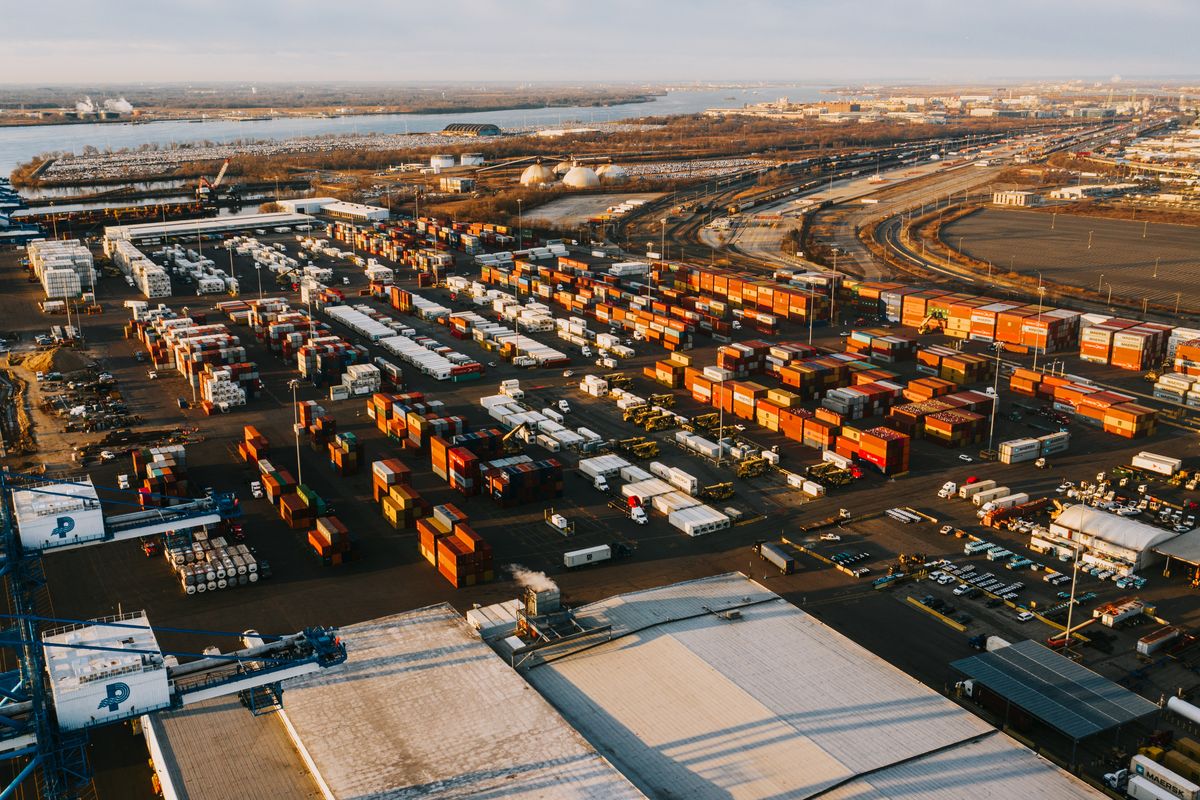
Logistics & Supply Chain
Know what is on the route before your fleet does.
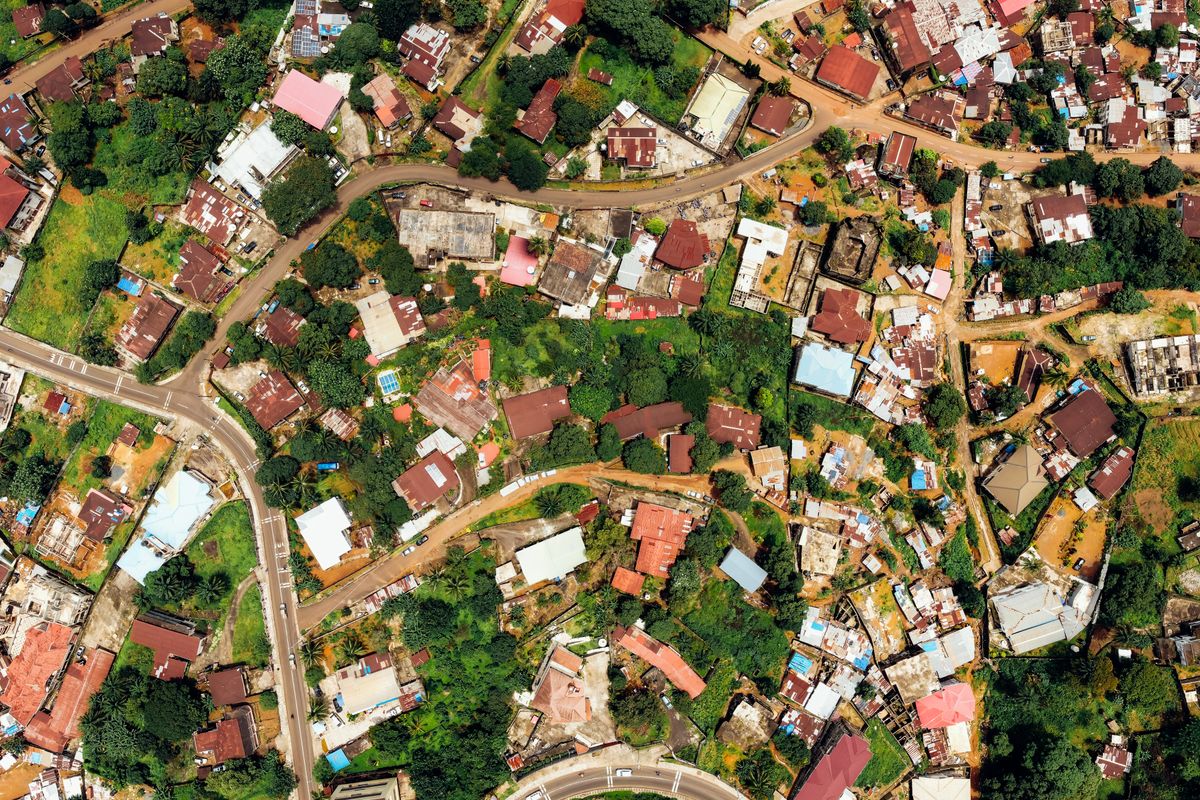
Land & Real Estate
Due-diligence any parcel or site, with history plus live monitoring.

NGOs & Humanitarian
Duty-of-care field alerting at a fraction of the global tools.

Newsrooms & Journalists
Verify and break Nigerian security stories first.
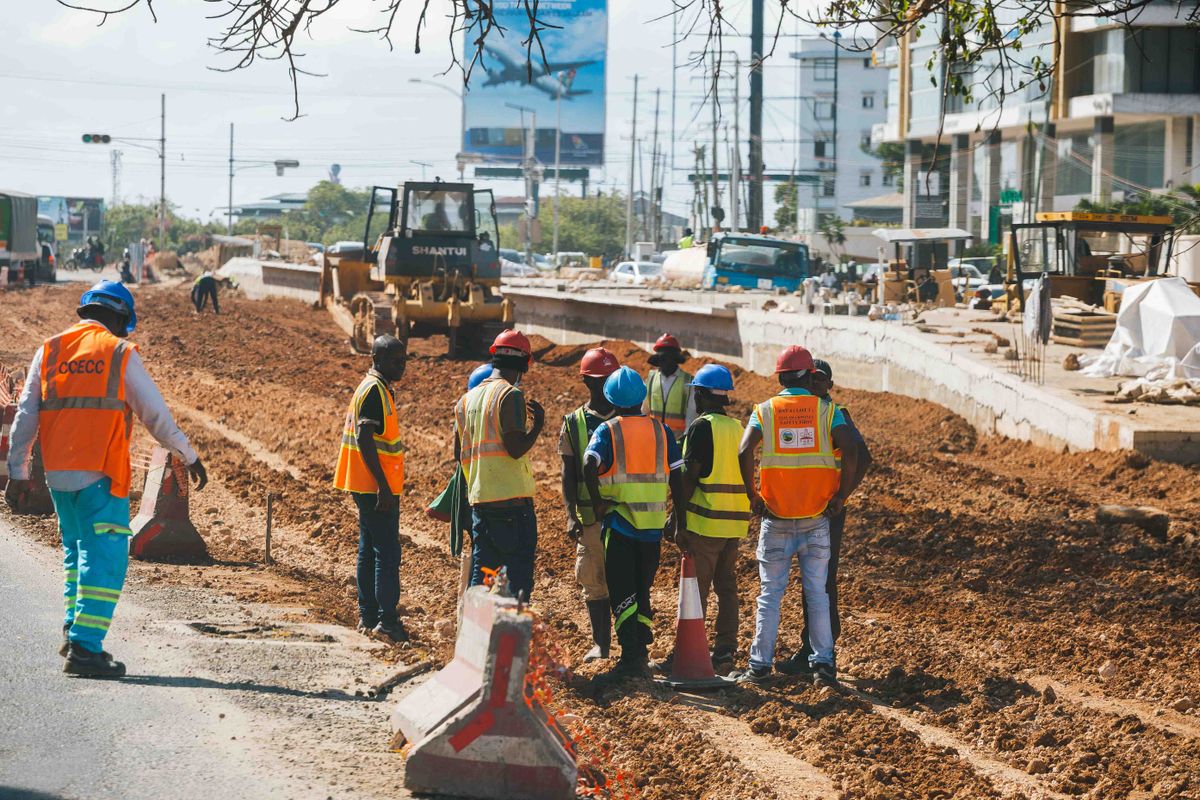
Corporates & Private Firms
Local intelligence the global feeds miss, without board sign-off.
Private Security Firms
Power your service with our data and resell it under your brand.
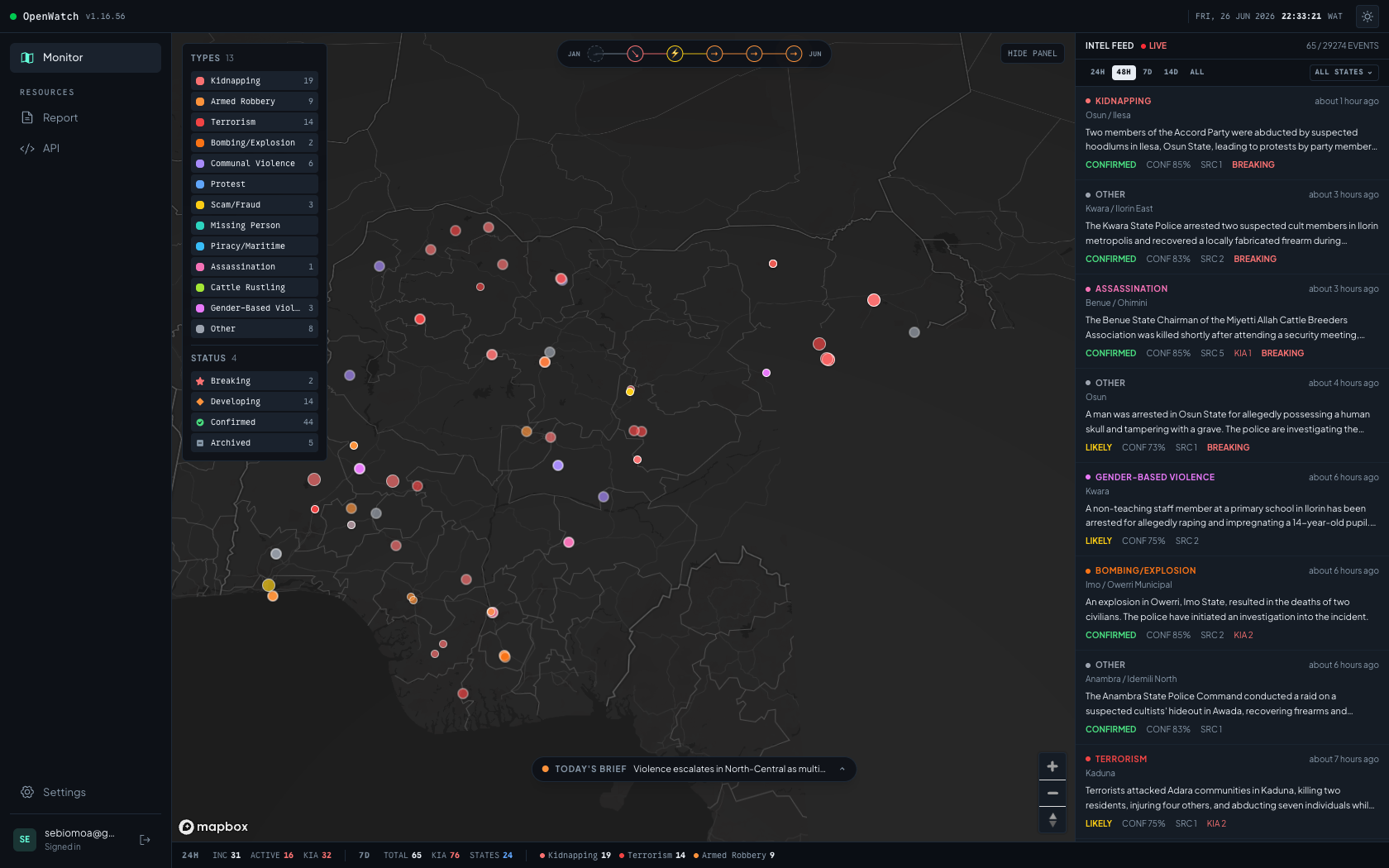
The whole picture, on one map.
Every incident OpenWatch tracks, plotted live across all 36 states and the FCT, with filters, alerts, and the intel feed in a single view.
Ask the data. Get cited answers.
OpenWatch Research is an AI analyst that answers your security questions in plain English, grounded in the live incident database, with a real source behind every claim. No dashboard to learn, no analyst report to wait for.
Across the North-West last month, Zamfara and Katsina saw the most kidnapping activity, clustered around Maru and Jibia. Kaduna followed, concentrated on the Abuja-Kaduna corridor.
Illustrative. Live answers cite current incidents.
One feed. Every angle.
Live incident map
Every kidnapping, robbery, attack, and protest plotted the moment it is reported, filterable by state, type, and severity.
Real-time alerts
Watch an area, a route, or a category and get notified the instant something happens inside it. Email, push, and webhook.
Situation case files
Related incidents and their follow-ups threaded into one situation, from the first attack through the response, the rescue, and the arrests, with a written intelligence brief.
Ask the archive
Put any question to the incident archive in plain English and get a sourced, grounded answer in seconds. The analyst's desk, on demand.
Route & corridor risk
Score a journey before anyone takes it. Corridor-level risk for the roads your people and cargo actually travel.
Briefs & reports
Daily intelligence briefs and a monthly state-by-state report: the narrative layer on top of the raw feed.
Developer API
Pull the same real-time incident data into your own systems. The only self-serve incident API in the region.
In your pocket
The live map, alerts, and case files on iOS and Android, so the field sees exactly what the desk sees.
Live from the feed.
A polytechnic student was fatally stabbed outside a NANS convention venue in Osogbo after a brief altercation with a member of the event's security committee, with a NANS official suggesting the incident was cult-related.
The military reportedly carried out airstrikes on suspected bandit camps in forests spanning Shagari LGA of Sokoto State and around Gizazza in Bukkuyum LGA of Zamfara State, with residents reporting smoke and fire from the strikes.
Plateau State Police Command recovered a GPMG, AK-47 rifles, and other weapons from suspected bandits during an intelligence-led operation in Barkin Ladi LGA.
A university student was hospitalised in Makurdi with severe burns after allegedly being scalded with hot water by her cousin and co-tenant during a disagreement.
Troops of Operation FANSAN YAMMA rescued 16 civilians from attempted abductions in Kaura Namoda and Tsafe LGAs of Zamfara State, and repelled a separate terrorist attack in Tambuwal LGA of Sokoto State where two civilians were wounded.
Nigerian Army troops intercepted a vehicle carrying ₦9.89 million ransom meant for kidnappers holding three siblings in Kaduna, and rescued 27 kidnap victims in separate operations across Kaduna, Zamfara and Kebbi states between August 27-28.
The story behind the data.
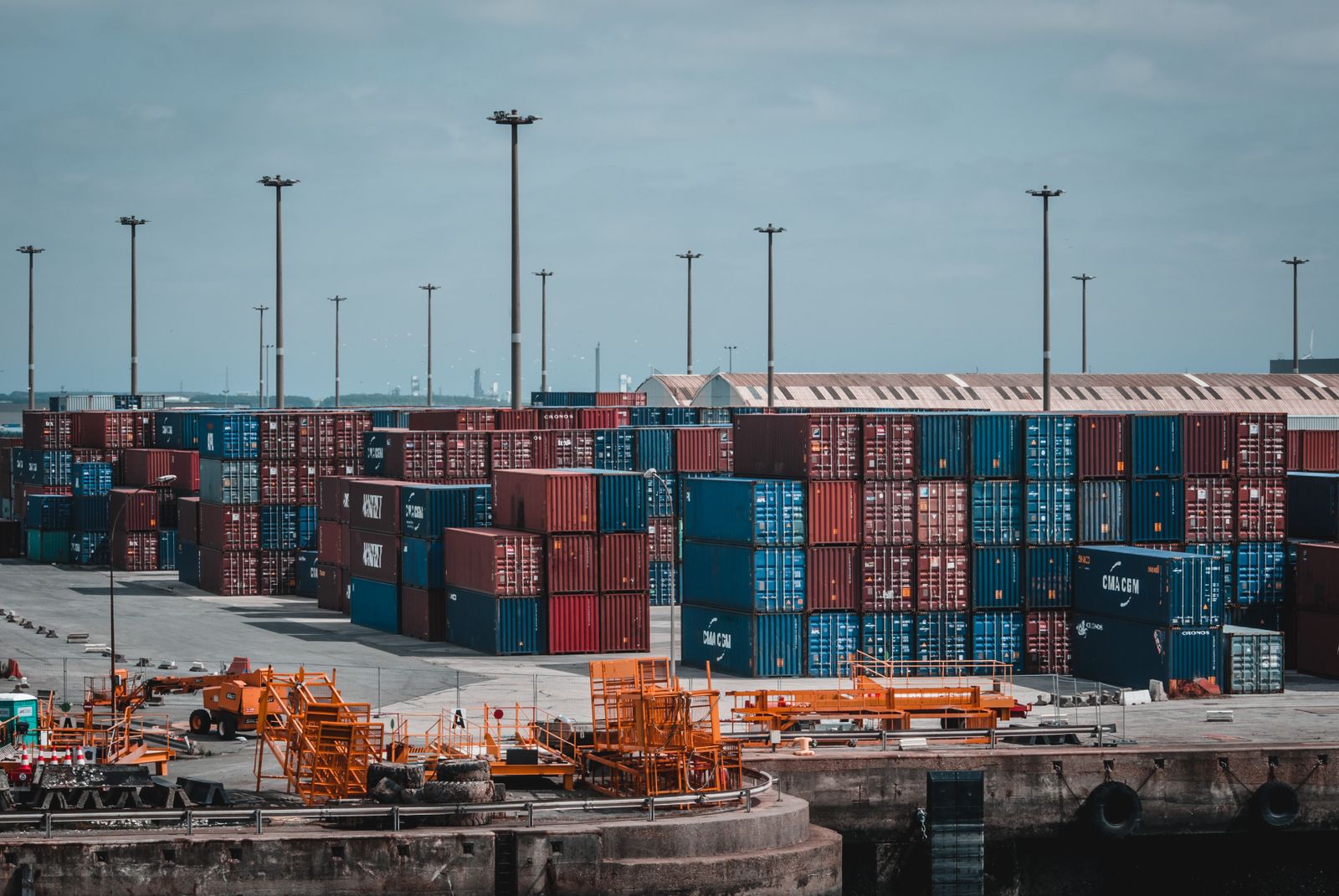
The Cost of a Corridor: What Nigeria's Highway Attacks Mean for Freight and Fleets
For any business that moves goods or people by road in Nigeria, the highway is the single largest point of exposure, and it is not evenly dangerous. The threat concentrates on specific corridors, at specific hours, in ways the incident record makes visible. Here is what the data says about the routes that carry the most risk, and how a fleet turns that into a decision.
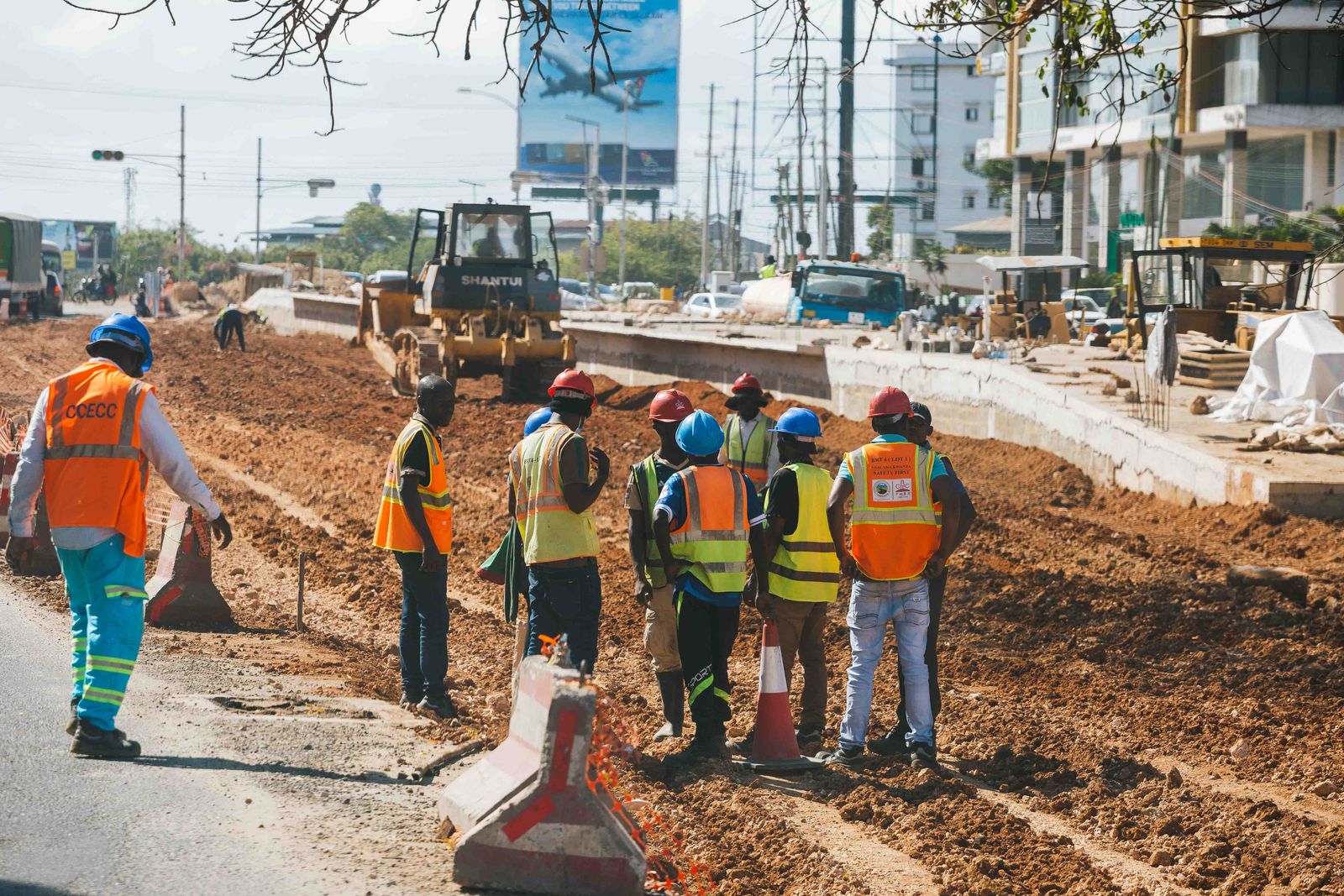
Duty of Care in Nigeria: What the Law Expects, and What the Data Demands
Any organisation with staff in Nigeria, or sending them there, carries a duty of care: a legal and moral obligation to take reasonable steps to keep them safe. In a country this large and this uneven, "reasonable" is not a vague standard. The incident record defines it. Here is what duty of care actually requires on Nigerian ground, and how to meet it.

Where to Operate, Where to Harden: Reading Nigeria's Risk Map for Business
Companies expanding in Nigeria tend to read its security map two ways, both wrong: as a country uniformly dangerous, or as one where the busiest city is the riskiest. The incident record says neither. It says the threat is specific, it varies by state, and the mitigation that works in one place is useless in the next. Here is how to read it for a siting, hardening or expansion decision.
The week’s risk, in your inbox.
A free Sunday evening brief of every significant incident we logged across Nigeria that week, grouped by state and severity, with the casualty tally and what to watch next. No app, no account needed.
- Every state, every incident type
- Casualty and trend tallies at a glance
- Delivered Sunday evenings, free
Want one state, one route, or the moment it happens instead of the week after? OpenWatch Alerts is real-time from $7/mo.
Build on the feed.
No Nigerian incumbent sells a real self-serve incident API. We do. Query the same data that powers the live map, filter by state, type, and recency, and stream new incidents straight into your stack.
$ curl api.openwatch.ng/v1/incidents?\
     state=lagos&since=24h

{
  "id": "inc_8f3ac1",
  "type": "kidnapping",
  "state": "Lagos",
  "lat": 6.5244, "lng": 3.3792,
  "confidence": 0.91,
  "published_at": "2026-06-26T14:32:00Z"
}